
10 articles in this category
Attendance shows who logged in, not who learned. See how teachers can track real participation online, and where an AI tutor helps and doesn't.
What will online classrooms look like by 2031? See where AI tutors fit, what the evidence supports, and what teachers and institutes can do now.
Only 29.7% of EU teachers had AI training in TALIS 2024. See what an AI tutor can do in class and how schools can close the gap.
Learn the common online teaching mistakes that make students lose interest and practical ways teachers can improve engagement in virtual classes.
Only 29.7% of EU teachers surveyed in TALIS 2024 took part in AI-related professional development. Learn what this means for teachers, schools, universities, and AI in education.
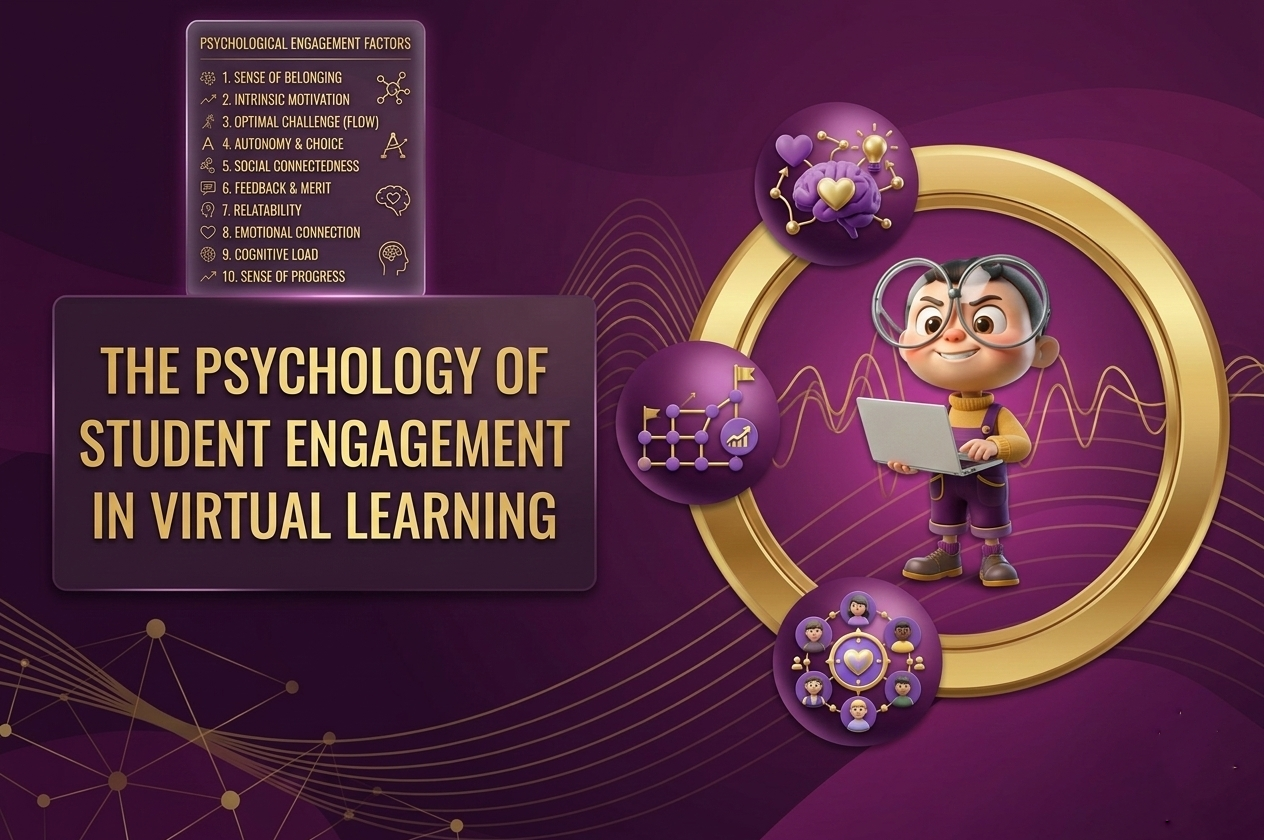
A student logs into a virtual class. The camera is on, the lesson has started, and the teacher is explaining the topic. But after a few minutes, the student begins to check messages, open another tab, or simply stop paying attention
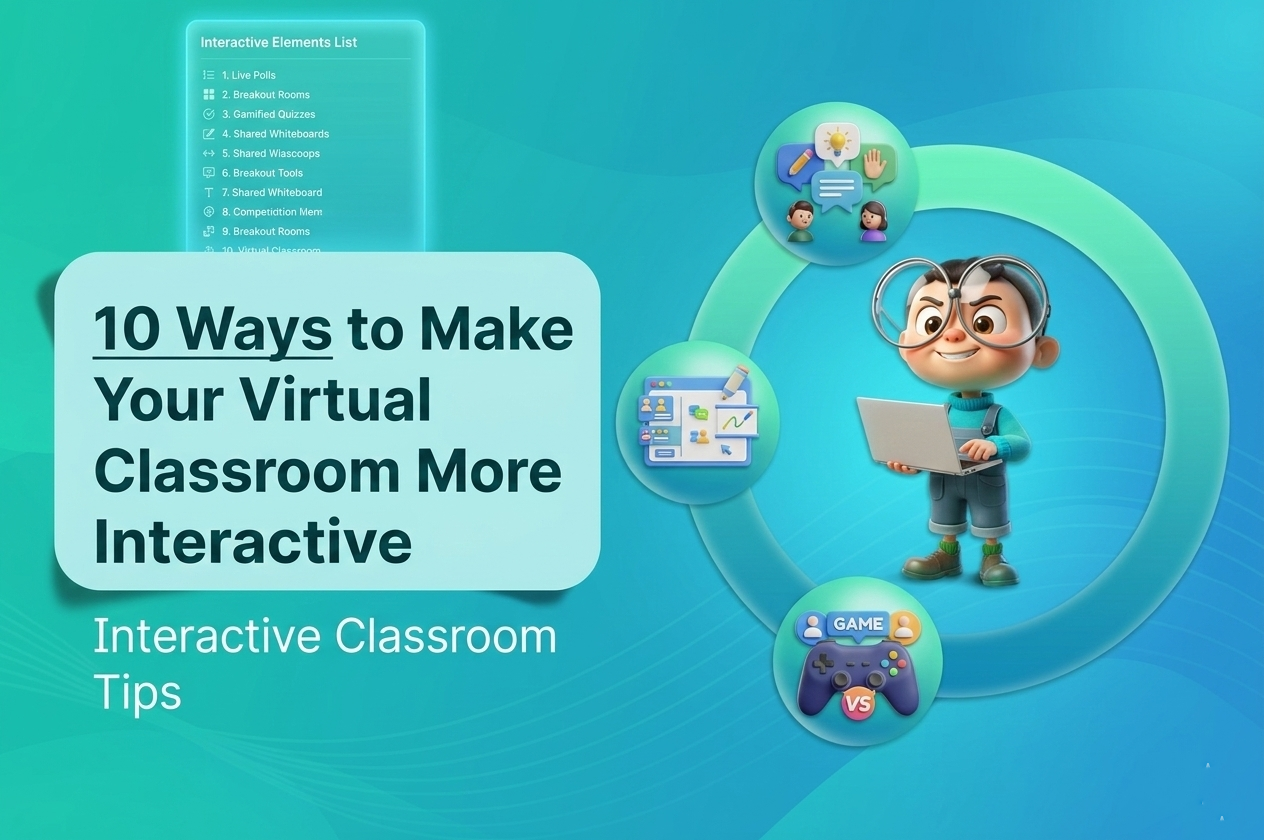
A silent virtual classroom can feel long and tiring. Students join the session, listen to the lesson, and sometimes stare at the screen without saying much.

A classroom once looked the same almost everywhere. Rows of desks, a teacher standing in front, a board full of notes, and students listening quietly. Learning happened inside school walls, and if a student was not present, the lesson was simply missed.

Teaching online can be exciting. It allows teachers to connect with students from anywhere and makes learning more flexible. At the same time, online teaching can feel challenging. Some students stay silent throughout the session. Some get distracted by things happening around them. Others log in but are not mentally present.

SIMPECH offers two types of sessions to meet different teaching needs Permanent Sessions One-Time or Recording Sessions: